 Skip to content


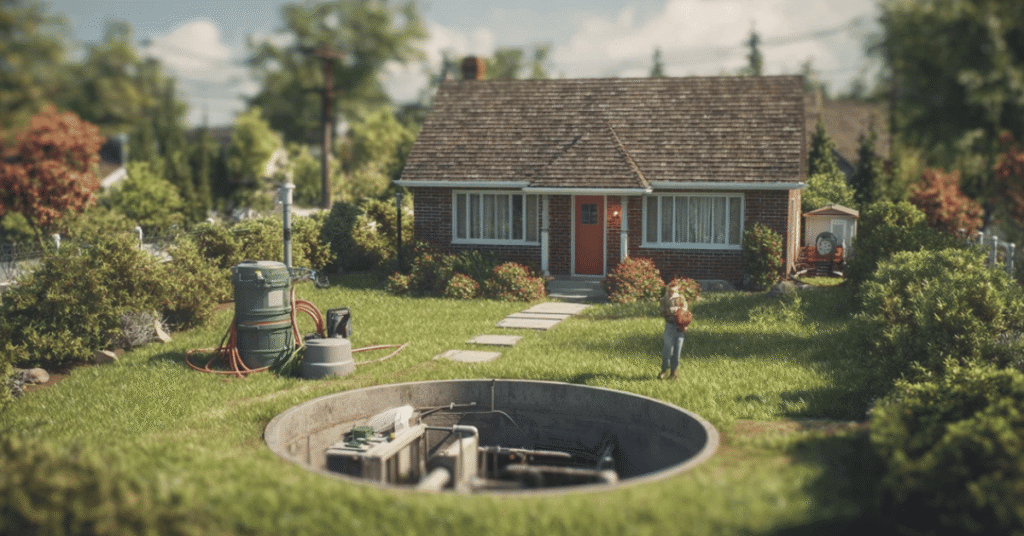
If you’ve noticed slow drains, unpleasant odors around your yard, or strange gurgling sounds coming from your toilet, your septic tank might be trying to tell you something. These warning signs often mean it’s time for a pumping service. Understanding when and why your septic system needs attention can save you from costly repairs and messy emergencies down the road.
Regular septic tank maintenance isn’t just about avoiding problems. It’s about protecting your investment in your home and keeping your property safe and functional. At Running Water Plumbing, we help homeowners throughout Meridian ID maintain healthy septic systems through professional septic pumping services, cleaning, repair, and expert installation guidance.
Why Septic Tank Pumping Matters
Your septic tank works quietly beneath your property, breaking down household waste through natural bacterial processes. Over time, solid waste accumulates at the bottom of the tank while oils and grease float to the top, forming a scum layer. The middle layer of relatively clear effluent flows out to your drain field for further treatment in the soil. When sludge and solids in the tank build up too much, they start interfering with this natural process.
The tank can’t separate wastewater properly, and solids begin flowing into your drain field where they don’t belong. This leads to a clog in pipes, failed drain fields, and potentially thousands of dollars in repair costs. Regular pumping removes these accumulated solids and sludge before they cause damage, keeping your system running smoothly and preventing groundwater contamination.
How Often Should You Pump Your Septic Tank?
Most septic tanks need to be pumped every three to five years. This general timeline works well for average households, but your specific situation might call for more or less frequent service. The size of the tank and household usage determine how often you need to pump your septic system.
Factors That Determine Pumping Frequency:
- Household size and daily water usage patterns
- Tank size and capacity for holding sludge
- Whether you use a garbage disposal that adds solid waste
- Age and condition of your conventional septic system
- Types of household wastewater entering your septic tank
Running Water Plumbing can inspect your septic tank system and recommend the right pumping schedule based on your home’s unique needs. Sticking to a regular maintenance plan is far less expensive than dealing with emergency repairs or system failure.

Clear Signs Your Tank Needs Pumping Now
Sometimes your septic system sends urgent signals that it needs immediate attention. Tell if your septic tank is full by watching for these warning signs that can help you avoid serious problems:
Immediate Red Flags:
- Sewage backup in toilets or drains, indicating a full septic tank that requires emergency service
- Standing water or soggy areas near your septic tank or drain field, especially when it hasn’t rained
- Strong sewage odors inside your home or around your septic system
- Toilets or drains gurgling when you run water or flush, showing trapped air in the plumbing system
Developing Problems:
- All drains working slowly at the same time, not just one clog
- Unusually lush, green grass growing over your drain field area where nutrients from a failing septic system feed the lawn
- Your lawn feels spongy when you walk around your septic system area
- Water backing up in lower-level drains when you use upstairs fixtures
If you notice any of these issues, contact Running Water Plumbing right away. Our team provides 24/7 emergency septic service throughout Meridian and surrounding areas.
What Affects Your Pumping Schedule?
Several factors determine how quickly your septic tank fills up and when the tank should be pumped. Understanding these variables helps you plan better maintenance schedules and know when it’s time to pump your system.
Household size makes a big difference in how often to pump. More people living in your home means more water usage and more waste entering the system daily. A couple might stretch their schedule to every 5 years, while a family with teenagers might need service every 3 years.
Daily Habits That Impact Your System:
- Using a garbage disposal adds substantially more solid waste that must be pumped
- Running multiple loads of laundry in one day puts extra stress on the drainage system
- Long showers and frequent baths increase wastewater volume leaving the tank
- Flushing items that don’t break down (wipes, feminine products, paper towels) accelerates the tank fills rate
The bacteria in the tank work to break down waste naturally, but they can only process so much. When you dispose of harsh chemicals or excessive grease down your drains, you kill beneficial bacteria and compromise how your septic system works.
Protecting Your System Between Pumpings
Good daily habits keep your septic system running smoothly and extend the time between necessary pumpings. Small changes in what enters your septic tank make a meaningful difference in maintaining their septic health.
Be mindful of what goes into your plumbing system. Only human waste and toilet paper should go down your toilets. Avoid pouring grease, oils, or harsh chemicals down any drain. Professional septic system professionals recommend spreading out water usage when possible. Doing all your laundry in one day floods your system and doesn’t allow your septic tank time to properly treat the household wastewater.
Protect Your Drain Field:
- Keep vehicles and heavy equipment off the drain field area
- Never plant trees or deep-rooted shrubs near your septic tank
- Fix leaky faucets and running toilets that constantly add water in the tank
- Schedule your septic inspections regularly to catch problems early
Professional Septic Services in Meridian ID
Working with licensed professionals ensures your septic tank gets proper care. Running Water Plumbing brings years of local experience to every septic service call, from routine pumping to complex repair and installation projects. Our licensed and insured technicians don’t just empty your tank. We inspect the system, check for potential problems in both the tank and sewer system connections, and provide honest recommendations.
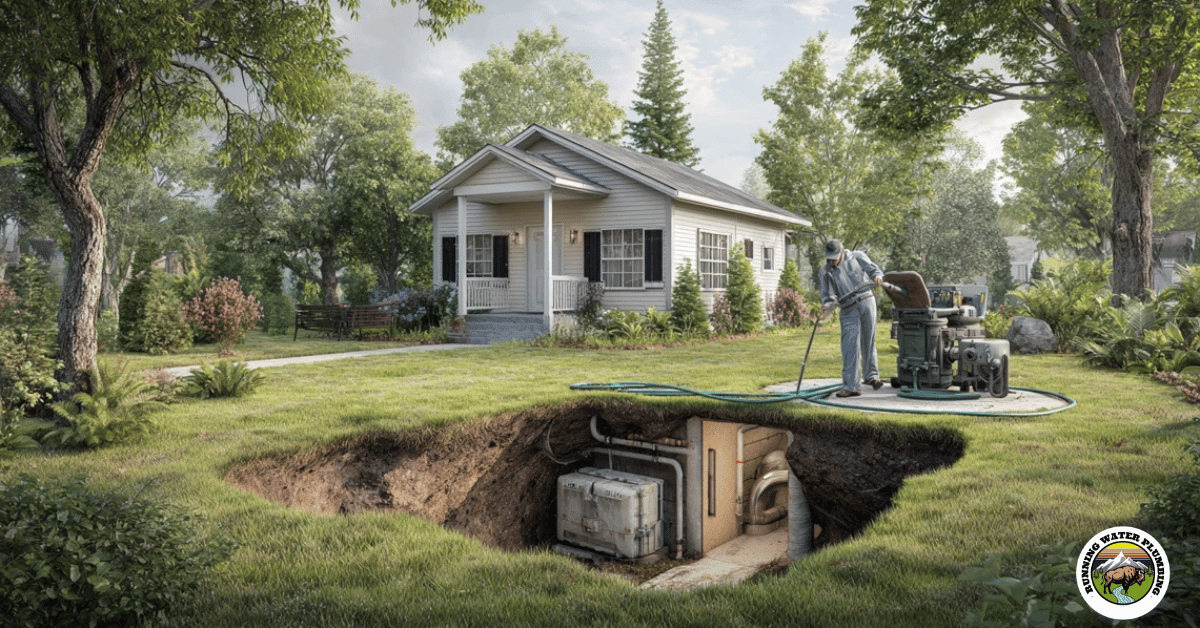
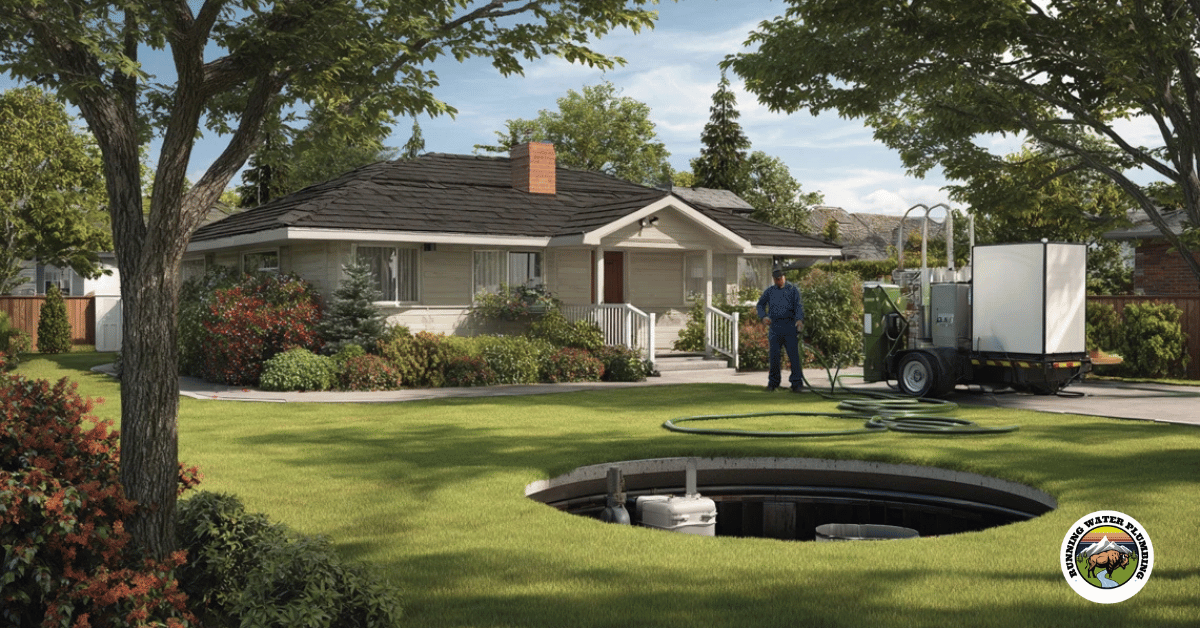
During a pumping appointment, we locate your tank (we can help if you don’t know the location), remove accumulated solids and liquids pumped out of the tank, and look for signs of damage or wear. We answer your questions about how to maintain your septic system and help you understand when to get it pumped next. Part of our professional septic tank service includes checking the scum layer and sludge layer levels to ensure the tank is pumped at the right intervals.
The Bottom Line on Septic Tank Pumping
Regular septic tank pumping protects your home, your property value, and your family’s health. Following a pumping schedule based on your household’s needs prevents most emergencies and keeps your system functioning properly. Septic tanks need attention before problems arise, not after failing septic systems cause expensive damage.
Watch for warning signs and don’t wait to call for help when problems appear. Getting your septic tank pumped every three to five years, or more frequently based on usage, keeps everything flowing as it should. Running Water Plumbing serves homeowners throughout Meridian ID with reliable pumping, cleaning, repair, and installation services for every part of your septic system.
Whether you need routine maintenance or emergency help, our team is ready to keep your septic system working efficiently. Contact us today to schedule your septic tank service or learn more about protecting your home’s wastewater treatment system.
