 Skip to content


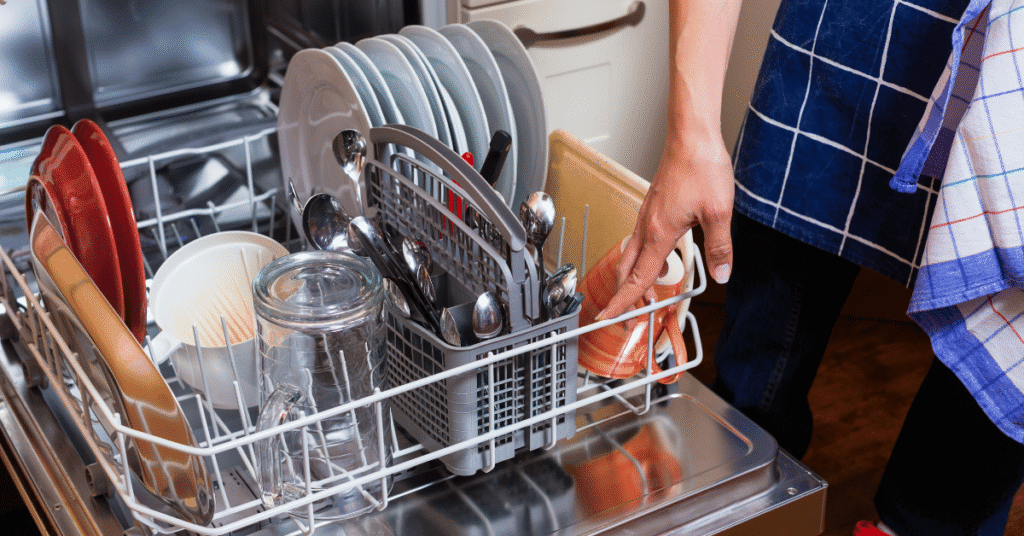
Standing water in the dishwasher usually comes down to a clogged filter, drain hose or air gap. Work through these 5 steps before you call a plumber.
Opening your dishwasher only to find standing water in dishwasher at the bottom of your appliance can be frustrating. Beyond being inconvenient, it’s also a sign that something isn’t draining properly in your dishwasher or plumbing system. If ignored, the issue of standing water can lead to foul odors, water damage, and costly repair work.
For homeowners, especially those dealing with a dishwasher not draining, quick action is critical. While some problems can be solved with simple cleaning and installation checks, persistent drainage issues may require a professional plumber. Below are 5 steps you can follow to fix standing water in your dishwasher and prevent future problems.Why Standing Water in the Dishwasher Shouldn’t Be Ignored
Some people assume a little water in the bottom of the dishwasher is normal. While a small amount of remaining water is expected after a cycle, standing water in your dishwasher that covers the dishwasher filter usually means there’s a clog or other drainage problem. Problems caused by ignoring standing water:- Mold and bacteria growth: A clogged dishwasher filter can trap food particles, and pooled water creates the perfect breeding ground.
- Damage to cabinets and flooring: Leaks from a dishwasher that won’t drain can spread into cabinetry and flooring.
- Appliance strain: When the dishwasher drain is blocked, it forces the drain pump to work harder, shortening its lifespan.
Step 1 – Shut Off and Inspect for Blockages
If you open the door and find standing water in my dishwasher, start by shutting it off. Then look for simple causes.- Remove the bottom rack to see the bottom of the dishwasher clearly.
- Look for food particles, paper labels, or utensils clogging the drain.
- Use a sponge to absorb excess water while checking.
Step 2 – Remove and Clean the Dishwasher Filter
The dishwasher filter is located at the bottom of your dishwasher. It traps debris but can easily get clogged.- Remove the filter carefully (check your owner’s manual if unsure).
- Rinse it under hot water and scrub gently with a sponge.
- Never use harsh objects that could damage the filter.
Step 3 – Inspect the Drain Hose and Air Gap
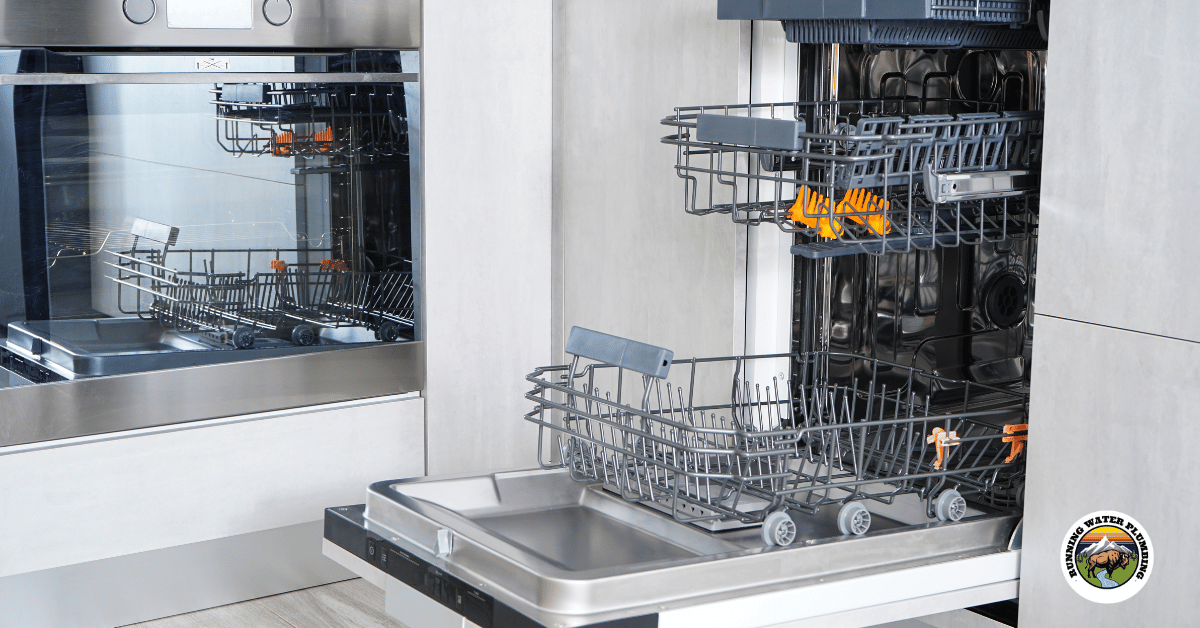
If water still isn’t draining, the problem may lie in the drain hose or air gap.- Drain hose: The dishwasher drain hose connects the appliance to the garbage disposal or sink drain. Kinks or clogs can keep water from draining.
- Air gap: This small fitting near the faucet prevents dirty water from backing up. Food and grease can clog it.
Step 4 – Run a Cycle and Troubleshoot
Once the filter and hose are cleared, run a short rinse cycle to see if the dishwasher drains properly. Ask yourself:- Does the dishwasher drain fully at the end?
- Does the sink drain gurgle?
- Does water back up or leak?
Step 5 – Call a Professional if Needed
If water remains even after all attempts, it’s time to fix a dishwasher that won’t drain with expert help. A plumber can check for:- A broken drain pump
- A faulty drain valve
- A clogged dishwasher line deeper in the system
Preventing Standing Water in the Future
Many dishwasher models work fine for years with proper care. Prevent issues with these tips:- Clean the dishwasher filter by hand monthly.
- Scrape food particles before loading dishes.
- Avoid overloading racks that block water flow.
- Pour hot water and occasionally run the dishwasher with vinegar.
- Schedule regular drain cleaning and plumbing checks.
Conclusion
A dishwasher that won’t drain can seem overwhelming, but with 5 steps, you can often get rid of standing water on your own:- Shut off and check for blockages.
- Remove the dishwasher filter and clean it.
- Inspect the dishwasher hose, drain line, and air gap.
- Run a rinse cycle and observe drainage.
- Call a plumber if the dishwasher is still not draining.