

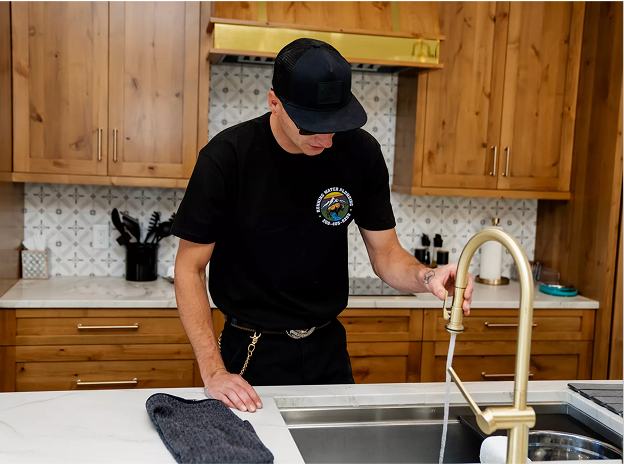
Low water pressure is one of those plumbing issues that catches homeowners off guard. You turn on the shower expecting steady flow, but instead you’re left waiting under a trickle.
Dishes take longer to rinse, the washing machine fills slowly, and suddenly everyday routines feel frustrating.
The good news? In many cases, low water pressure isn’t a major plumbing disaster. Sometimes the solution is surprisingly simple, and with the right approach, you can get your home’s water running properly again. Let’s take a closer look at what causes low water pressure, how to spot easy fixes, and when to call a professional plumber in Meridian ID.
Low Water Pressure
Before tackling solutions, it’s helpful to know what low water pressure really means. Water pressure refers to the force that pushes water through your pipes and out of your fixtures.
In most homes, normal pressure ranges between 40 and 60 psi (pounds per square inch).
When pressure dips, you’ll notice:
- Weak flow from faucets or showerheads
- Appliances like dishwashers or washing machines running slowly
- Difficulty running more than one fixture at the same time
- Showers that fluctuate between steady flow and trickling
While frustrating, these symptoms don’t always signal a costly repair. Some issues can be corrected with simple adjustments or minor maintenance.
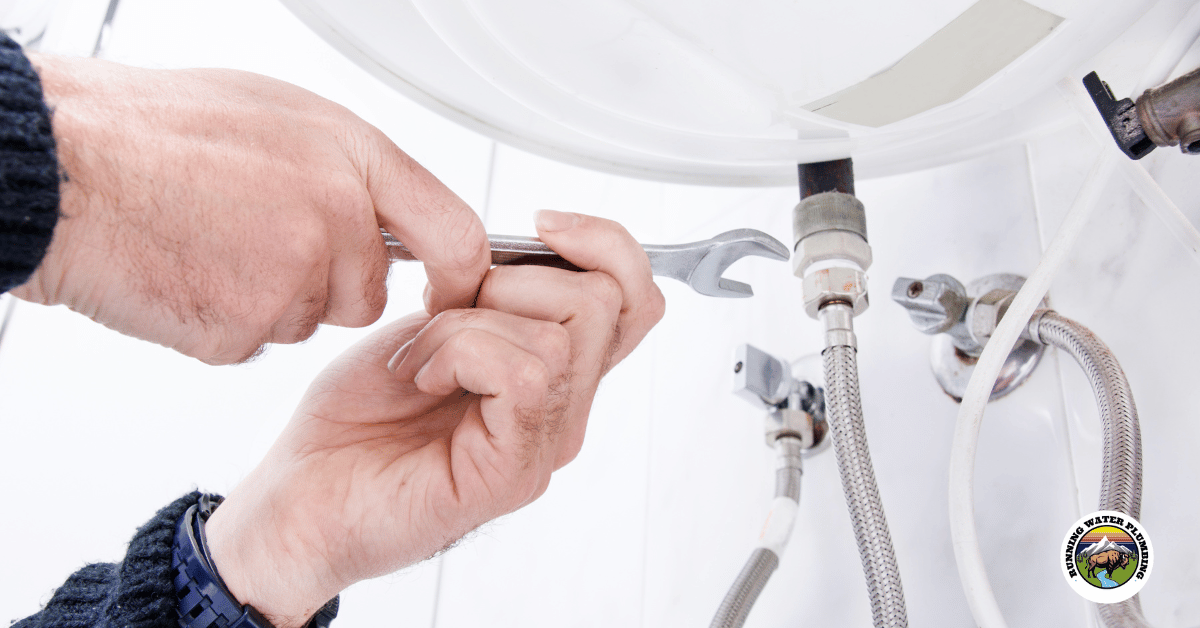
Everyday Causes of Low Water Pressure
Not every drop in pressure means something is wrong with your plumbing system. Some of the most common culprits can be addressed quickly.
Partially Closed Valves
The main shut-off valve or water meter valve might not be fully open. This happens after repairs or routine maintenance. Ensuring these valves are fully turned to the “on” position can restore normal flow immediately.
Faucet and Showerhead Build-Up
Hard water is a common issue in Meridian ID and surrounding areas. Over time, mineral deposits build up inside showerheads and faucets, restricting flow. A quick cleaning or replacement often solves the problem.
Clogged Aerators
The small screens at the tip of faucets, known as aerators, collect debris and sediment. Unscrewing and cleaning them with vinegar or a brush is a simple fix most homeowners can handle.
Pressure Regulator Issues
Some homes have a pressure regulator installed where the main line enters the house. If it malfunctions, it can cause a noticeable drop in pressure. Replacing a regulator is usually straightforward, but it’s best left to a licensed plumber.
When Low Water Pressure Points to Bigger Issues
Of course, not all cases are quick fixes. Sometimes low pressure is the first warning sign of a more serious plumbing concern.
Leaks in the Plumbing System
Hidden leaks reduce pressure by allowing water to escape before reaching fixtures. Signs include damp spots on walls or ceilings, unexpectedly high water bills, or the sound of running water when no taps are on.
Corroded Pipes
Older homes often contain galvanized steel pipes, which corrode and narrow over time. This restricts water flow and gradually worsens. If corrosion is the cause, replacement is usually necessary.
Sewer or Main Line Concerns
Though less common, issues with your main supply line or nearby municipal system can affect water pressure. Professional inspection is the safest way to confirm whether this is the case.
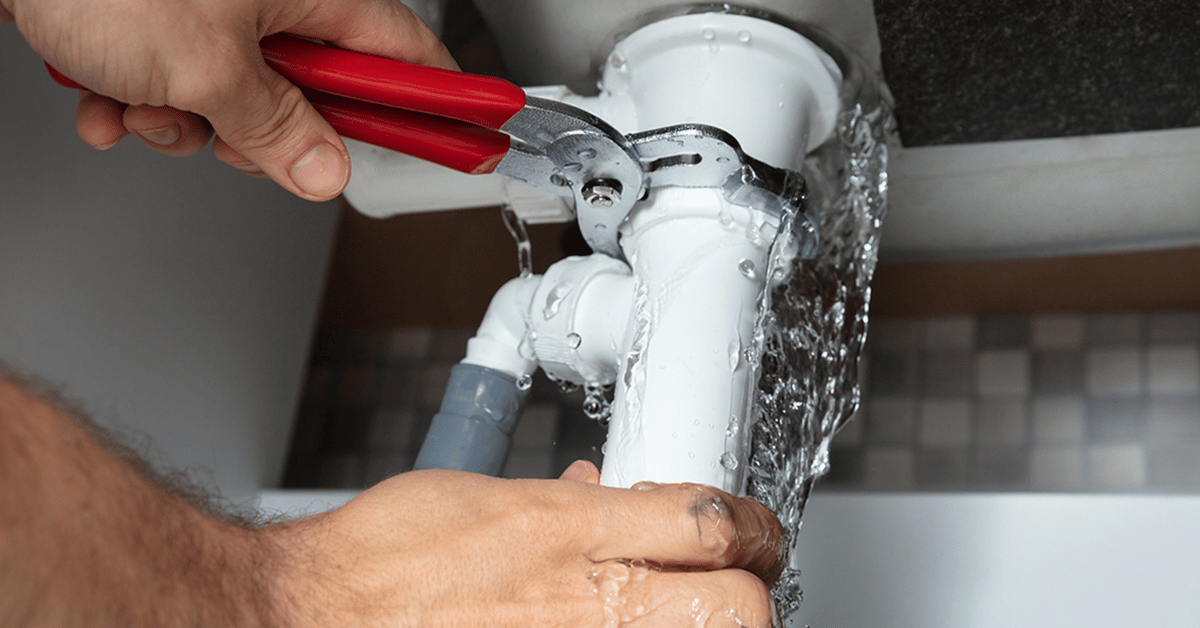
Quick Fixes to Try Before Calling a Plumber
Before you assume the worst, there are simple steps worth trying. Many homeowners are surprised at how often these solutions solve the problem.
- Check Valves: Confirm that both the main shut-off and meter valves are fully open.
- Clean Showerheads and Faucets: Remove mineral deposits with vinegar soaks or replace the fixture if it’s too clogged.
- Inspect Aerators: Unscrew, rinse, and reattach aerators to restore flow.
- Test Multiple Fixtures: See if the issue affects the entire house or just one area.
- Look for Visible Leaks: Puddles, dripping pipes, or water stains often point to a pressure problem.
If these steps don’t improve your water pressure, the issue likely requires professional attention.
When to Call Running Water Plumbing LLC
Not every homeowner wants to troubleshoot plumbing problems on their own, and some fixes require expert care. That’s where Running Water Plumbing LLC comes in.
You should reach out to a licensed plumber if:
- Pressure stays low after you’ve checked valves and cleaned fixtures
- You notice signs of hidden leaks
- Pipes are old and may be corroded
- The water pressure regulator needs replacement
- Multiple fixtures across the home are affected
Our team is available 24/7 for emergencies and scheduled service. From leak detection and drain cleaning to water heater repair and faucet installation, we provide solutions that get your plumbing system back on track.
Preventing Low Water Pressure in the Future
A little prevention goes a long way. By caring for your plumbing system regularly, you can avoid unexpected drops in water pressure.
- Schedule Routine Maintenance: Annual inspections help identify small issues before they cause bigger problems.
- Install a Water Softener: Hard water in Meridian ID often leads to build-up inside pipes and fixtures. A water softener helps prevent mineral deposits.
- Replace Aging Fixtures: Old faucets and showerheads may restrict flow even without mineral deposits.
- Respond Quickly to Leaks: Addressing leaks as soon as they’re noticed prevents pressure loss and water damage.
- Have Older Homes Inspected: If your home has galvanized pipes, consider replacement before corrosion worsens.
Final Thoughts
Low water pressure is inconvenient, but it doesn’t always mean expensive repairs. In fact, many cases are resolved by simple fixes like opening a valve or cleaning a showerhead. That’s why it’s important not to panic when you first notice weaker flow.
When the issue is more serious, you can contact Running Water Plumbing LLC for reliable, around-the-clock service in Meridian ID and the surrounding area. With our team’s experience, straightforward pricing, and dedication to customer care, we make sure every home and business has the water pressure it needs to run smoothly.