 Skip to content


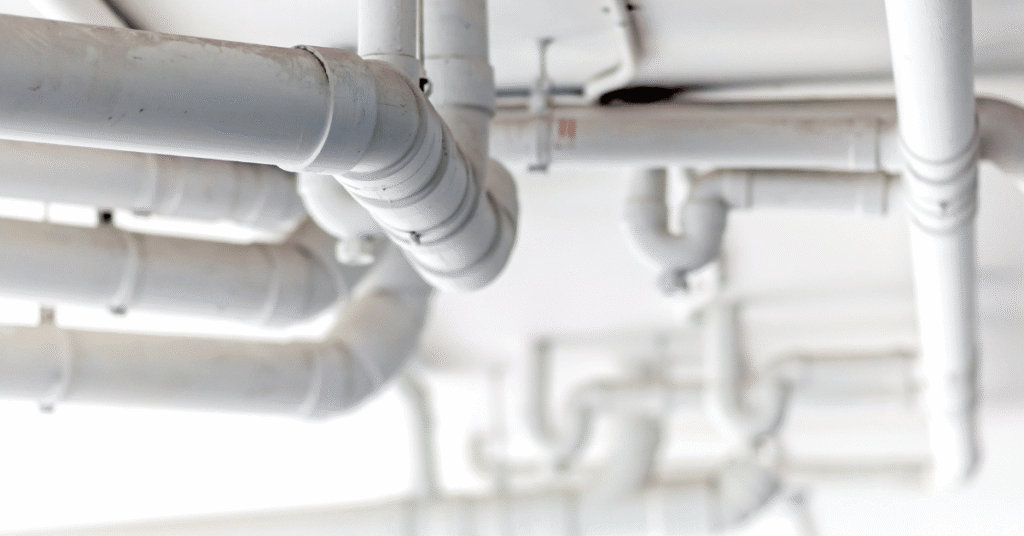
If you’ve ever walked through the plumbing aisle at a hardware store, you’ve probably noticed fittings labeled with different plumbing abbreviations. One of the most common is FIP, and if you’re not familiar with plumbing acronyms or common plumbing terms, it can be confusing. Knowing what FIP means and how it works helps save time, prevent leaks, and makes conversations with your plumber easier.
For homeowners and business owners in Meridian, ID, understanding simple plumbing terms like FIP is valuable when handling water heater repair, faucet installation, or any plumbing project that involves pipe threads. In this guide to plumbing, we’ll explain what FIP stands for, how it differs from MIP, and why it’s used in fittings across many types of pipe systems.
What Does FIP Mean in Plumbing?
FIP stands for Female Iron Pipe. It’s a type of fitting with threading on the inside, allowing it to connect securely to a male iron pipe or other MIP fittings. This is like a nut and bolt system: the male threads are external, while the female threads are on the inside.
FIP fittings are widely used in residential and commercial plumbing systems. While originally made for iron, today they come in brass, copper, stainless steel, and PVC. The threading on the inside of an FIP fitting helps create a watertight seal when combined with Teflon tape or thread compound, helping to prevent leaks.
The Difference Between FIP and MIP
MIP stands for Male Iron Pipe. Plumbing connections often involve pairing FIP and MIP fittings together. Knowing the key differences between them prevents mistakes in your plumbing project.
- How FIP fittings work
- The threads are on the inside of the fitting.
- Accepts a male pipe thread.
- Needs sealing material such as plumber’s tape (Teflon tape) or pipe dope.
- How MIP fittings work
- The threads are on the outside.
- Fits directly into an FIP fitting.
- Common on valves, faucets, and water heater outlets.
If you try to connect two FIP fittings or two MIP fittings, they won’t fit. Forcing mismatched parts can damage thread size or strip the threaded pipe, leading to costly repair.
Common Plumbing Applications of FIP
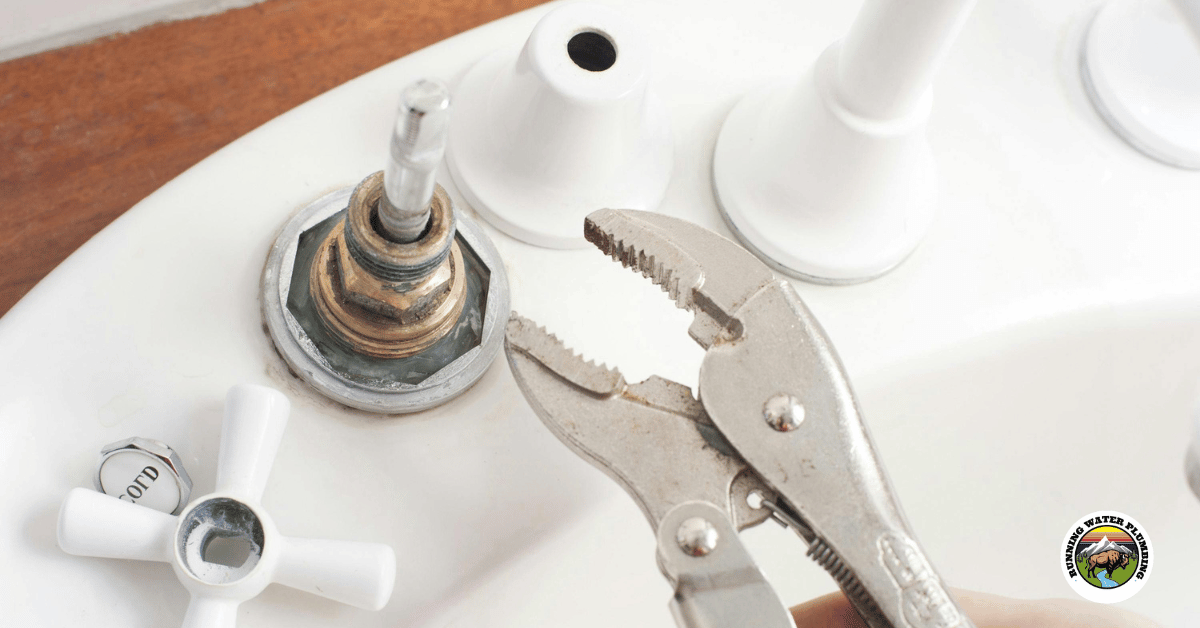
You’ll find FIP fittings throughout a home’s plumbing. These fittings are used in projects where threaded pipe fittings are better than soldered joints or glue.
Typical uses include:
- Water heaters – connecting two pipes to inlet and outlet lines.
- Toilets – securing supply lines.
- Faucets – during installation of hot and cold supply.
- Outdoor spigots – for hose fittings like female garden hose or male garden hose connectors.
- Water softeners – attaching supply pipes.
- Drain systems – threaded couplings and compression fittings.
By recognizing FIP fittings, you can avoid mistakes and save time on complex plumbing tasks.
Materials and Sizes of FIP Fittings
FIP fittings come in multiple materials and sizes, depending on the type of pipe and application.
- Materials: brass (durable), copper (residential), stainless steel (commercial), PVC (lightweight).
- Sizes: ½ inch, ¾ inch, 1 inch.
Choosing the right pipe size ensures that fittings connect properly. Even a small mismatch can damage threads and cause leaks.
Pros and Cons of Using FIP Fittings
Advantages
- Create secure connections that prevent leaks.
- Easier to clean and replace than soldered joints.
- Stocked in most hardware stores.
- Available in many standard thread types and sizes.
Disadvantages
- Iron versions may corrode.
- Threading on the inside can strip if over-tightened.
- Requires careful handling and correct installation.
How to Identify an FIP Fitting
To recognize FIP:
- Threads are on the inside of the fitting.
- Opening looks like a nut or socket.
- Often stamped with FIP, FPT, or female pipe thread.
In contrast, MIP threads are external and sometimes called MPTs or “MIPS are sometimes called MPTs.”
Installing and Repairing FIP Connections
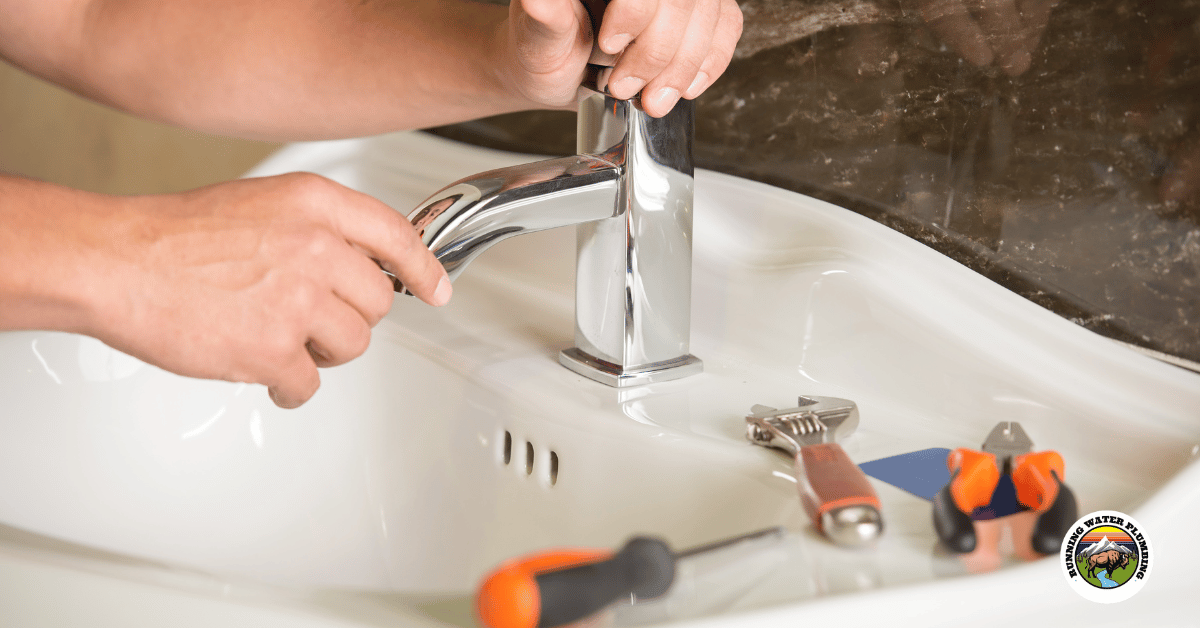
Installation and repair of FIP connections must be done carefully to avoid leaks.
Tools you need: wrench, plumber’s tape, Teflon tape, and sealant.
Steps:
- Clean both pipe threads.
- Wrap male threads with tape 2–3 times.
- Insert into FIP fitting by hand.
- Tighten with wrench, but don’t over-tighten.
Avoid cross-threading, mixing incompatible materials, or applying too much force.
When to Call a Plumber
Some projects, like water heater installation, main line repair, or complex plumbing jobs, are best left to a licensed plumber. A professional ensures that:
- Correct thread type and fittings are used.
- Couplings and adapters are fitted correctly.
- Work meets code requirements.
For Meridian, ID homeowners, Running Water Plumbing provides expert installation, cleaning, and repair services for any plumbing need.
Conclusion
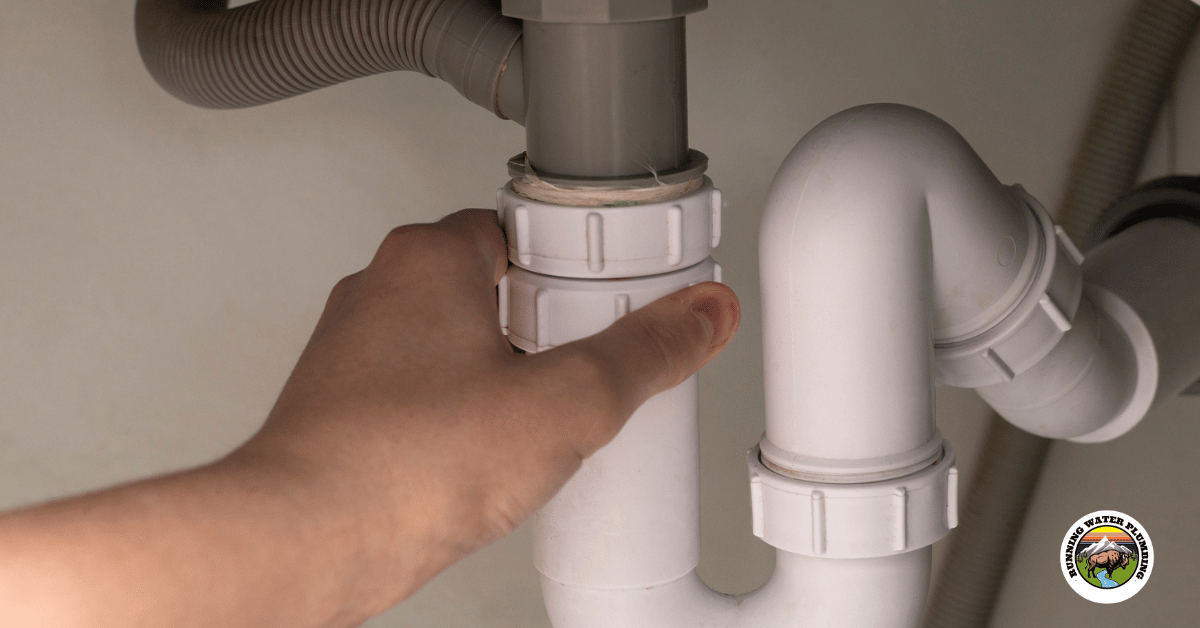
FIP in plumbing stands for Female Iron Pipe and is one of the most common acronyms in the trade. These fittings connect pipes securely using threads are the ridges found on the inside of a fitting. By understanding FIP vs MIP, the role of compression fittings, and standard thread types, you’ll save time and avoid costly repair mistakes.
Whether it’s connecting a faucet, replacing a hose bib, or completing a full installation, the right fitting ensures a safe connection. But for large projects, always consider hiring a professional
FAQs About FIP in Plumbing
Is FIP the same as NPT?
No. FIP refers to the female iron pipe fitting, while NPT stands for National Pipe Thread, the standard used in the US. Many NPT fittings use FIP threads.
Can FIP fittings be reused?
Yes, but threads may weaken. Always use fresh Teflon tape or sealant.
Do you need plumber’s tape for FIP?
Yes, unless the fitting end has a built-in gasket.
How long do FIP fittings last?
Brass and stainless FIP fittings can last decades. Iron fittings may corrode faster.
