 Skip to content


Softeners and filters solve different water problems. Here’s what each one does and when your home needs one or both.
Water plays a vital role in daily life. From drinking water and cooking to cleaning and bathing, the quality of your home’s water supply makes a noticeable difference. Many homeowners in Meridian, ID, deal with hard water or contaminants that affect plumbing fixtures and appliances, along with their overall health. Two common solutions are a water softener and a water filtration system. While both improve water quality, they serve different purposes. Knowing the difference between a water filter and a water softener can help you choose the right option for your household or business. Let’s explore what each system does, how they work, and when you might need one or even both.What is a Water Softener?
A water softener is designed specifically to deal with hard water. Hard water is water that contains high levels of calcium and magnesium minerals, which can create mineral deposits in your pipes, home water heater, and plumbing fixtures. Over time, this buildup leads to costly plumbing repair, reduced water flow, and higher energy bills.How a Water Softener Works
- Uses an ion exchange process to remove calcium and magnesium.
- Replaces those minerals with sodium or potassium ions.
- Protects appliances, pipes, and plumbing systems from scale damage.
Signs You May Need a Water Softener
- White spots on dishes, glassware, or noticed water spots on fixtures.
- Soap that doesn’t lather well when dealing with hard water.
- Dry skin and dull skin and hair after showers.
- Scale buildup on faucets, showerheads, and plumbing fixtures.
- Reduced efficiency or shorter lifespan of appliances like dishwashers or water heaters.
What is a Water Filtration System?
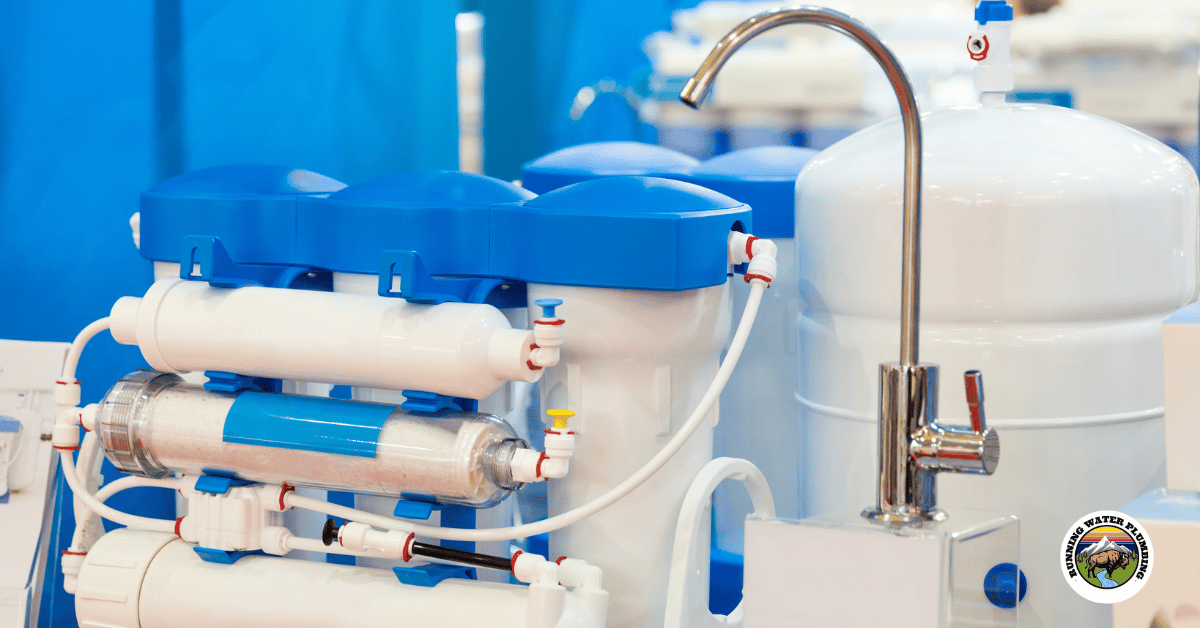
Unlike softening, a water filtration system focuses on improving the safety, clarity, and taste of your water. It is designed to remove contaminants that may affect your health or change the way your water looks and smells.How a Water Filtration System Works
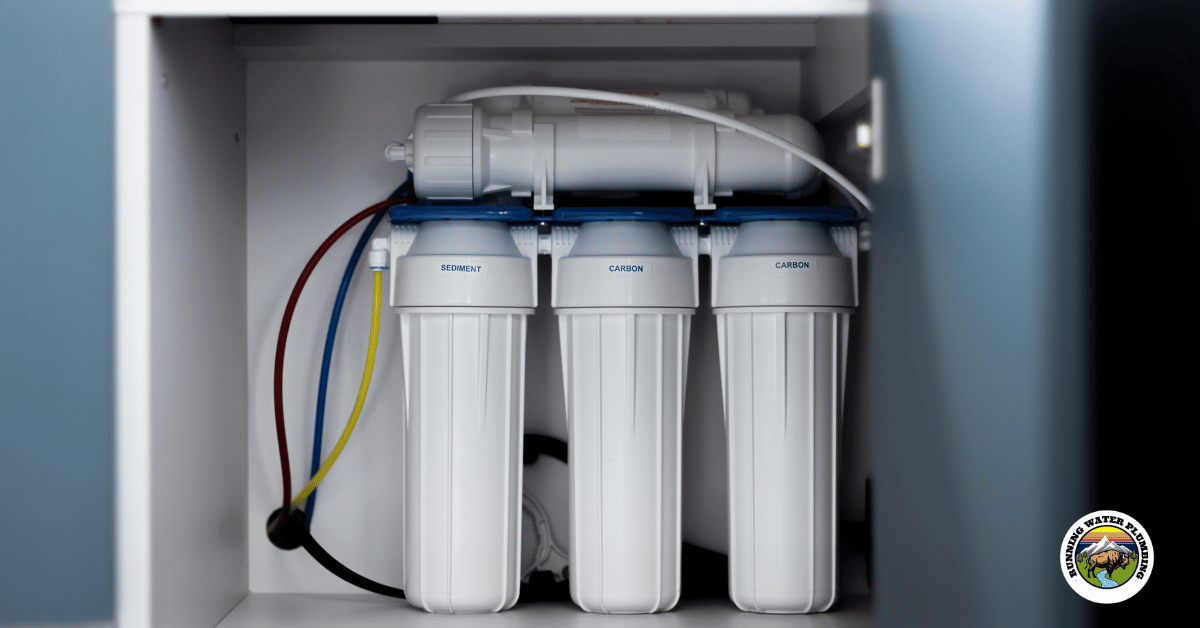
- Activated carbon filters trap chlorine and organic compounds.
- Reverse osmosis filters with a semi-permeable membrane remove dissolved solids, lead, arsenic, and other harmful particles.
- UV filtration disinfects water by killing bacteria and viruses.
- Sediment filters catch dirt, rust, and sand particles.
Signs You May Need a Water Filtration System
- Water has an unusual taste, odor, or cloudy appearance.
- Concerns about lead, chlorine, or bacteria in your drinking water supply.
- Older plumbing that could release contaminants into tap water.
- Preference for fresher-tasting water and better water quality than bottled water.
Key Differences: Water Softener Vs Filtration System
Purpose and Benefits
- Water Softener: Designed to remove hard water minerals like calcium and magnesium, protecting appliances and plumbing.
- Water Filtration System: Removes contaminants such as chlorine, heavy metals, and bacteria, providing great-tasting water for your family.
Technology and Process
- Softeners use ion exchange with salt or potassium.
- Water filters use activated carbon, reverse osmosis, UV light, or sediment filtration.
Maintenance and Costs
- Softeners: Require salt refills, cleaning, and occasional softener system repairs.
- Filtration systems: Require regular filter changes; costs vary based on the filter system type.
Impact on Plumbing and Appliances
- Water softeners remove hardness to extend the life of appliances and plumbing fixtures.
- Filtration systems improve the taste of your water and ensure safe drinking water.
When to Choose a Water Softener
A water softener is the right choice when:- Hard water minerals cause scale buildup.
- You see soap scum in tubs and sinks.
- High energy bills are linked to an inefficient water heater.
- Frequent plumbing repair is needed due to scale.
When to Choose a Water Filtration System
A water filter is the better solution when:- Your focus is on safe, better water for drinking.
- You want to remove contaminants in your drinking water.
- Your home has older plumbing or water quality issues.
- You prefer a system that provides fresher-tasting water without relying on bottled water.
Can You Use Both Together?
Yes, many households benefit from a water softener and a water filter combination:- A softener system handles hardness issues.
- A reverse osmosis water filter provides pure drinking water at the sink.
- This setup ensures both softened water for cleaning and appliances and great-tasting water for cooking and drinking.
Professional Installation in Meridian, ID
Choosing between a water softener vs water filter is only part of the solution. Proper installation, cleaning, and ongoing maintenance are key to ensuring that your water treatment system works effectively. At Running Water Plumbing, our licensed plumbers provide:- Water softener installation, repair, and cleaning.
- Water filter system installation and maintenance.
- Comprehensive plumbing services including water heater repair, drain cleaning, and leak detection.