 Skip to content


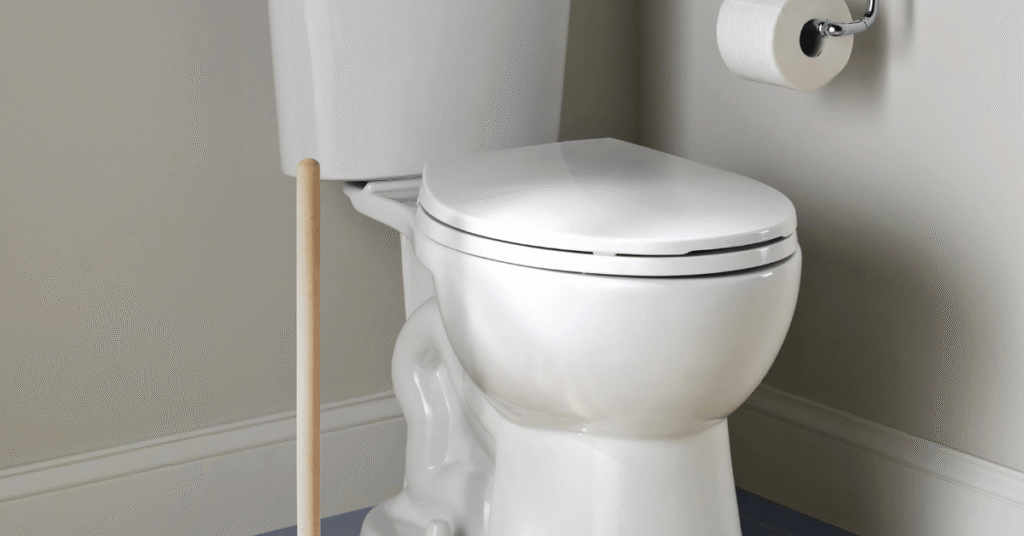
A clogged toilet is one of those household emergencies that always seems to happen at the worst possible time. Whether you’re hosting guests or dealing with a busy morning routine, knowing the best way to use a plunger can save you from panic and potential water damage. While it might seem straightforward, there’s actually a right way to plunge that makes all the difference.
How to Plunge a Toilet
At Running Water Plumbing, we’ve helped countless homeowners in Meridian ID deal with stubborn toilet clogs. The good news is that most blockages can be cleared with proper technique and the right tools. Let’s walk through this step-by-step guide on how to unclog a toilet effectively.
Essential Tools for the Job
Before you start, having the proper tool makes this DIY task much easier. A quality flange plunger with an extended rubber cup is specifically designed for toilets and creates the seal needed to dislodge clogs. Rubber gloves, old towels, and a bucket of warm water complete your basic toolkit for this common plumbing repair.
If the water level in your bowl is rising dangerously high, locate the shut-off valve behind the toilet and turn it to stop the flow. This quick trick can prevent overflow and water damage. Protect your floor with towels, especially when dealing with stubborn blockages.
What You’ll Need:
- Flange plunger for toilets
- Rubber gloves for sanitation
- Old towels for floor protection
- Bucket of warm water
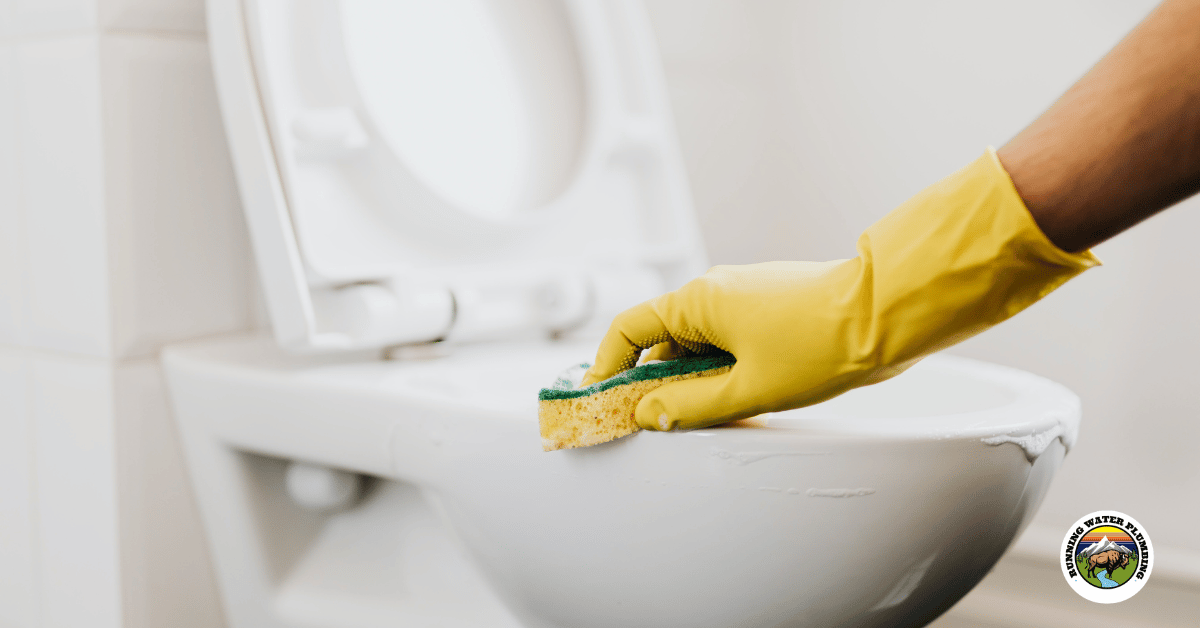
- Disinfectant for cleaning afterward
How to Plunge a Toilet: Step-by-Step Guide
The water level matters more than most people realize. You need enough to cover the plunger cup completely, but not so much that it overflows. Add warm water from your bucket if the bowl is too empty, or remove some if it’s too full.
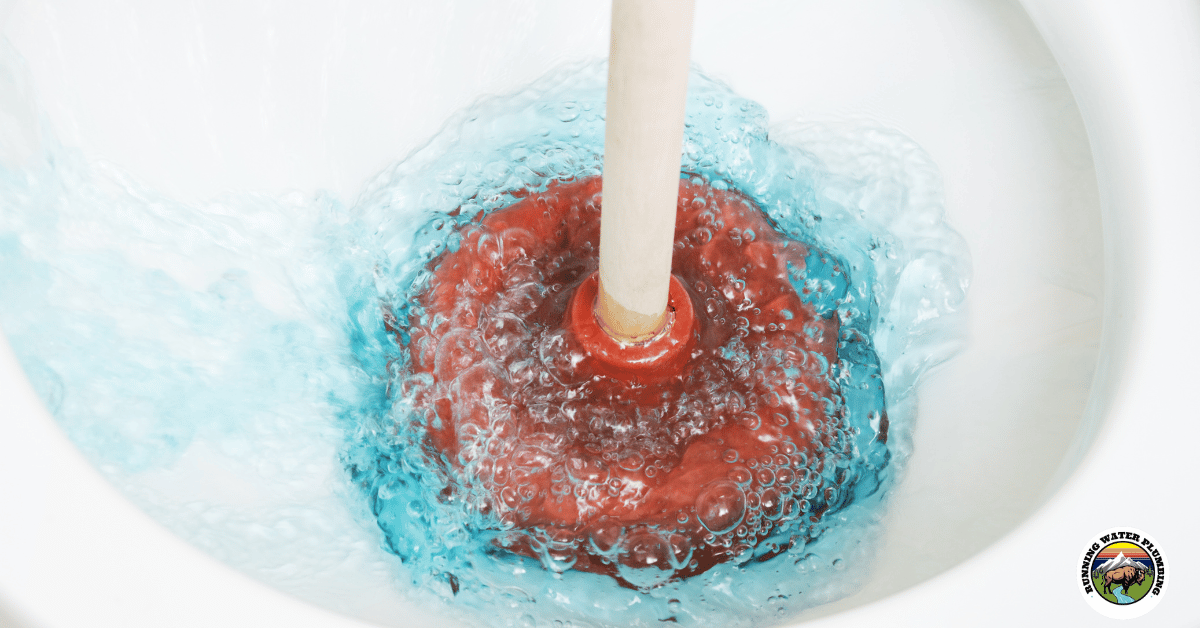
Insert the plunger at an angle to minimize air trapped under the cup. Position it so the flange extends into the drain opening. This seal is critical for creating the suction needed to break up the clog. Start with a gentle downward push to expel remaining air from the cup.
Key Technique Points:
- Keep plunger submerged throughout the process
- Use 15 to 20 vigorous plunges before checking results
- Focus on creating suction with the upward pull motion
- Maintain steady rhythm without breaking seal
- Work slowly to avoid splashing
After plunging, carefully lift and watch what happens. If water starts draining normally, you’ve cleared the blockage. Test by flushing once. If it still won’t drain properly, repeat the process. Sometimes stubborn clogs need multiple rounds of treatment. For a helpful video demonstration, search YouTube for professional plumbing tutorials.
When a Plunger Won’t Work
Sometimes a clog is farther down the pipe than a plunger can reach. If you’ve tried multiple times without success, a toilet auger might be necessary. This specialized tool can reach deeper blockages that standard plunging can’t handle. Insert the auger carefully, then crank to break through or pull out the obstruction.
Avoid using chemical drain cleaner in toilets, as these products can damage pipes and create hazardous situations. They’re also ineffective against main line blockages. If an auger doesn’t work, you’re likely dealing with a more serious issue requiring professional installation, repair, or cleaning services.
Signs You Need Professional Help:
- Multiple plunging attempts fail to clear blockage
- Water backs up in other fixtures when you flush
- Gurgling sounds from drains or vents
- Repeated clogs in the same toilet
- Slow draining throughout your home
Preventing Future Toilet Clogs
Prevention is always easier than dealing with another backup. Your toilet is designed to handle human waste and toilet paper only. So-called “flushable” wipes don’t break down like toilet paper and stick in your plumbing system, creating serious blockages.
If you have young children, teach them about proper use of the toilet. Kids might try to flush toys or excessive toilet paper. A simple conversation about what belongs in the tank and bowl can prevent future plumbing headaches and costly repair work.
Never Flush These Items:
- Wet wipes or baby wipes (even if labeled “flushable”)
- Feminine hygiene products
- Cotton balls or swabs
- Dental floss or paper towels
- Medication or pills
- Cat litter or cooking grease
When to Call Running Water Plumbing
Repeated clogs might indicate deeper problems with your main sewer line. Tree roots can infiltrate pipes, or you might have issues with your vent system causing air pressure problems. Running Water Plumbing has the expertise to diagnose these complex situations. We use professional-grade equipment for thorough cleaning, repair, and installation services.
You should call a plumber if multiple fixtures back up simultaneously. This usually signals a main line block requiring specialized tools to resolve. Don’t wait until sewage backs up into your home. Contact Running Water Plumbing at the first sign of serious drainage problems, and we’ll provide straightforward pricing and dependable service throughout Meridian ID.
