 Skip to content


Tank or tankless? Here’s how they compare on cost, hot water supply, space and upkeep, so you can pick the right one.
When deciding between a tank vs tankless water heater, homeowners often wonder which option best fits their lifestyle, budget, and comfort needs. Both systems supply hot water, but they work in very different ways. In this guide, we’ll cover the pros and cons, the difference between tank and tankless, and what to consider before buying a new water heater. By the end, you’ll be ready to decide which is the best choice for your family.What Is a Tankless Water Heater?
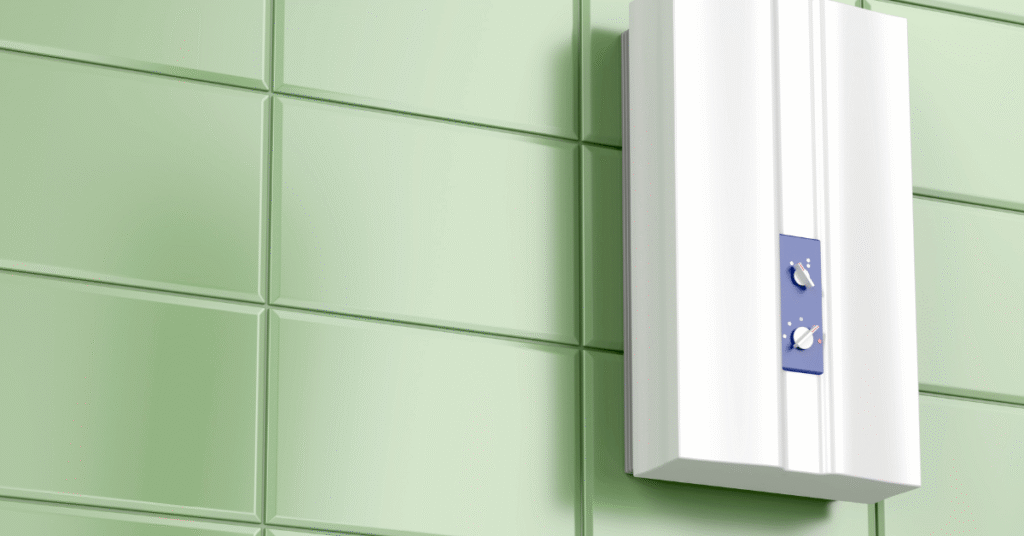
A tankless water heater is also known as an “on-demand” system because it heats water only when you turn on a faucet. Unlike a storage water heater that keeps a supply ready, a tankless system provides water on demand, giving you water when you need it.How Tankless Water Heaters Work
These units use gas burners or electric heating elements to heat water instantly as it flows. Both gas tankless water heaters and electric tankless water heaters are available, each suited to different home setups.Pros of a Tankless Heater
- Endless hot water and no need to worry you’ll run out of hot water.
- Better energy efficiency since it doesn’t keep a storage tank full.
- Water heaters are small, wall-mounted, and save floor space.
- Heaters last longer, usually 15–20 years with proper care.
Cons of a Tankless
- Higher initial cost of a tankless unit and complex tankless water heater installation.
- May need gas line or electric upgrades.
- If several showers and appliances run at once, performance may dip.
What Is a Tank Water Heater?
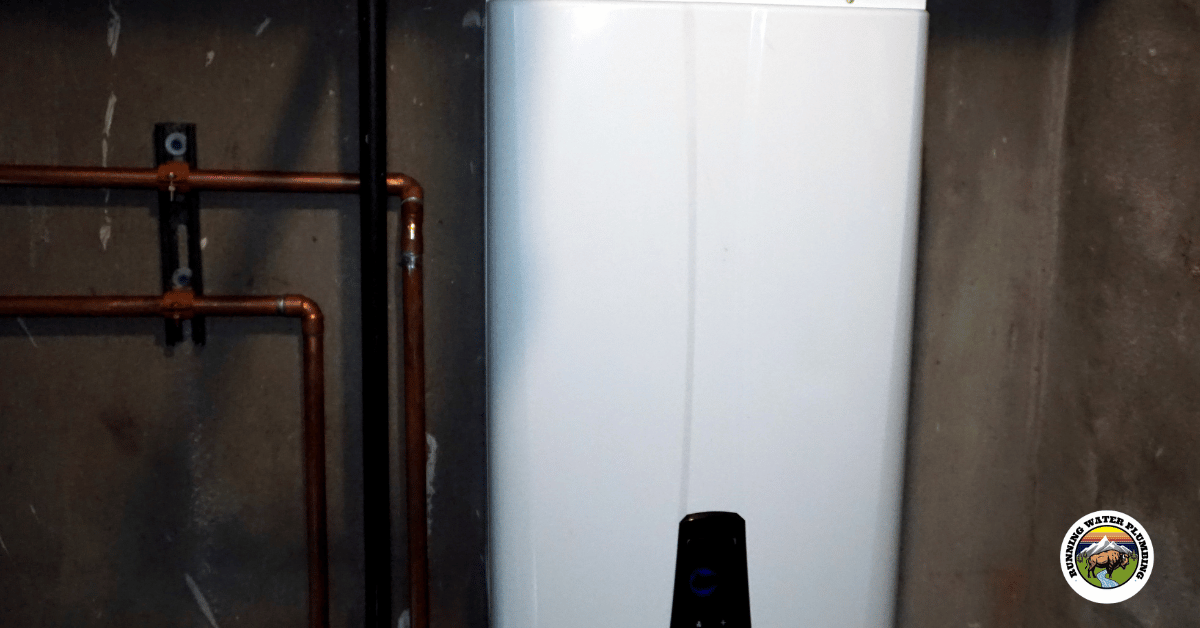
A tank water heater is the traditional water heater found in most homes. A storage tank stores hot water, reheating it as needed.How Tank Water Heaters Work
A tank heater keeps water in the tank heated until it’s used. Once empty, it must refill and heat the water again.Pros of a Tank Water Heater
- Lower initial cost compared to tankless.
- Easier installation and widely available repair options.
- Works well for large households with steady water usage.
Cons of a Tank
- Limited supply, meaning you can use as much hot water as the tank allows.
- Tank water heaters take more space.
- Standby heating raises bills since it always stores hot water.
- Shorter lifespan than tankless, usually 8–12 years.
Tankless Water Heater vs Tank Water Heater: Side-by-Side
| Feature | Tank Water Heater | Tankless Water Heater |
| Upfront Cost | Lower initial cost | Higher cost of a tankless water |
| Operating Cost | Higher, due to standby heating | Lower, heaters are more efficient |
| Hot Water Supply | Limited to water in a tank | Endless, heat water on demand |
| Space Required | Bulky tank storage water heaters | Compact, wall-mounted tankless heater |
| Lifespan | 8–12 years | 15–20 years |
| Installation | Easier, fits existing setups | More complex, requires upgrades |
| Best For | Large families with heavy water needs | Smaller homes or efficiency-focused buyers |
Which Type of Water Heater Is Right for You?
When comparing tank vs tankless, think about your household size, budget, and water usage habits.- A traditional tank water heater is reliable for homes with high demand and where upfront cost matters.
- A tankless water heater is ideal if you want efficiency, endless hot water, and long-term value.

Tank vs Tankless Water Heater: The Difference
The main difference between tank and tankless comes down to storage:- Tank storage water heaters keep a reserve of hot water.
- A tankless water heater heats only as you need it, avoiding waste and offering water throughout the day.
How Tankless Water Heaters Work in Daily Life
A tankless water heater might sound complicated, but it’s simple in practice. It provides constant supply of hot water for showers, laundry, and dishwashing. Whether you use a gas tankless or an electric tankless water, you’ll always get water as you need it. Some homes may prefer condensing tankless water heaters or non-condensing tankless water heaters depending on setup.Installation: Why It Matters
Proper water heater installation is critical. A poorly sized or incorrectly installed system can cause inefficiency or damage. If you decide to install a tankless water heater, hire licensed professionals.- Tankless and traditional water heaters both need periodic service.
- Cleaning, repair, and installation should be left to experts for safety.
Maintenance: Keeping Your System Healthy
Both tankless and tank systems require maintenance:- Tank storage water heaters need flushing to remove sediment.
- Tankless water heaters work best with regular descaling, especially in areas with hard water.
- Proper care ensures water heaters typically last their full lifespan.
Electric vs Gas Options
You can choose from electric water heaters, electric tank heaters, or gas tankless water heaters.- Electric tank water heater units are common and affordable.
- Electric tankless water heaters save space and energy but may need upgrades.
- Gas tankless water heaters deliver strong performance for large households.
Pros and Cons of Tank and Tankless Heaters
Pros of a Tank Heater
- Lower initial cost.
- Easier repair.
- Simple installation.
Cons of a Tank vs Tankless
- Shorter lifespan.
- Takes up space.
- Less efficient, leading to higher bills.
Pros of a Tankless Water Heater
- Tankless water heaters deliver endless hot water.
- Long lifespan.
- Saves energy and space.
Cons of Tankless
- Higher cost of a tankless water heater.
- More complex installation.
