 Skip to content


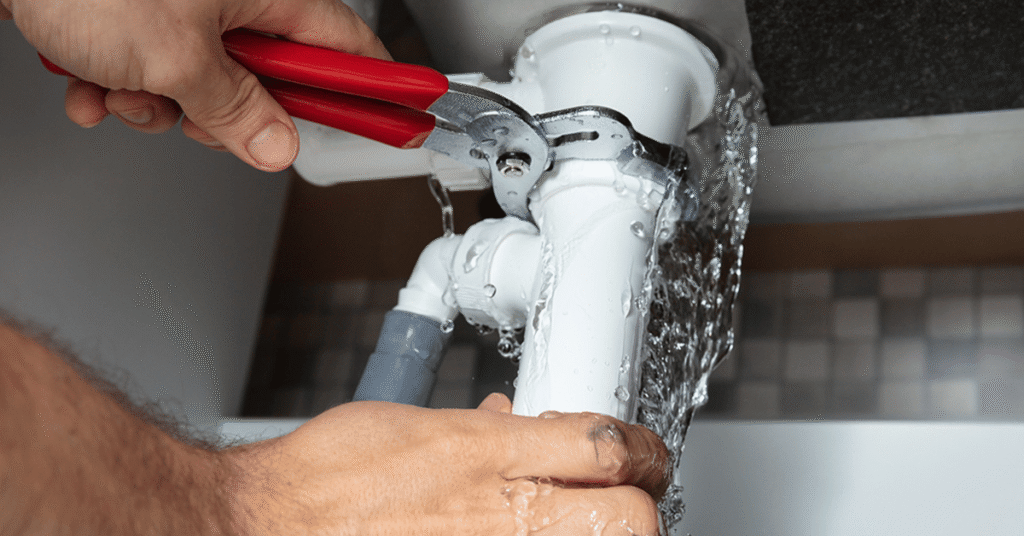
Idaho winters are no joke, and your home’s plumbing often feels the impact first. As cold temperatures set in across Meridian and the Treasure Valley, pipes become vulnerable to freezing, cracking, and bursting. What starts as a small oversight can quickly turn into expensive repairs and major water damage.
Taking steps to winterize your plumbing before freezing temperatures arrive is one of the smartest decisions you can make as a homeowner. It protects your plumbing pipes, prevents frozen pipes, and keeps your water heater, drains, and fixtures running efficiently. With proper winterization, you’ll reduce stress, avoid costly repairs, and keep your home safe throughout the winter.
At Running Water Plumbing, our licensed plumbers have years of experience helping Treasure Valley families with plumbing winterization, repair, cleaning, and installation. Here’s a practical guide to learn how to winterize and protect your plumbing.
Why Winterizing Your Plumbing Matters
When water freezes inside a pipe, it expands and creates pressure within pipes. This pressure can cause cracks or even a burst pipe. A single frozen pipe can release hundreds of gallons of water, damaging floors, walls, and foundations.
In Idaho, where cold air regularly pushes temperatures below freezing, homeowners who neglect winterization often face:
- Burst pipes flooding basements or crawl spaces
- Broken spigots and leaking hose bibs near outside walls
- Stress on the water heater and plumbing systems
- High water bills from unnoticed leaks
Taking steps to winterize plumbing is far more affordable than paying for emergency repair after frozen pipes.
Step By Step How To Winterize a House Plumbing
Inspect and Insulate Exposed Pipes
Pipes located in unheated spaces like attics, crawl spaces, and garages freeze first. Inspect these areas for bare water pipes.
- Wrap pipes with foam insulation or fiberglass wrap.
- Apply heat tape to high-risk areas.
- Seal gaps in exterior walls to block cold air.
Proper insulation helps prevent pipes from freezing and avoids costly winter repair.
Drain Outdoor Spigots and Hoses
Outdoor fixtures face the most direct exposure to cold weather.
- Disconnect hoses and store them indoors.
- Shut off the water supply valve to hose bibs.
- Open the faucet and drain all the water.
- Install faucet covers to keep cold air away.
Skipping this step often causes broken fixtures and water damage where the plumbing enters the house.
Service and Drain the Water Heater
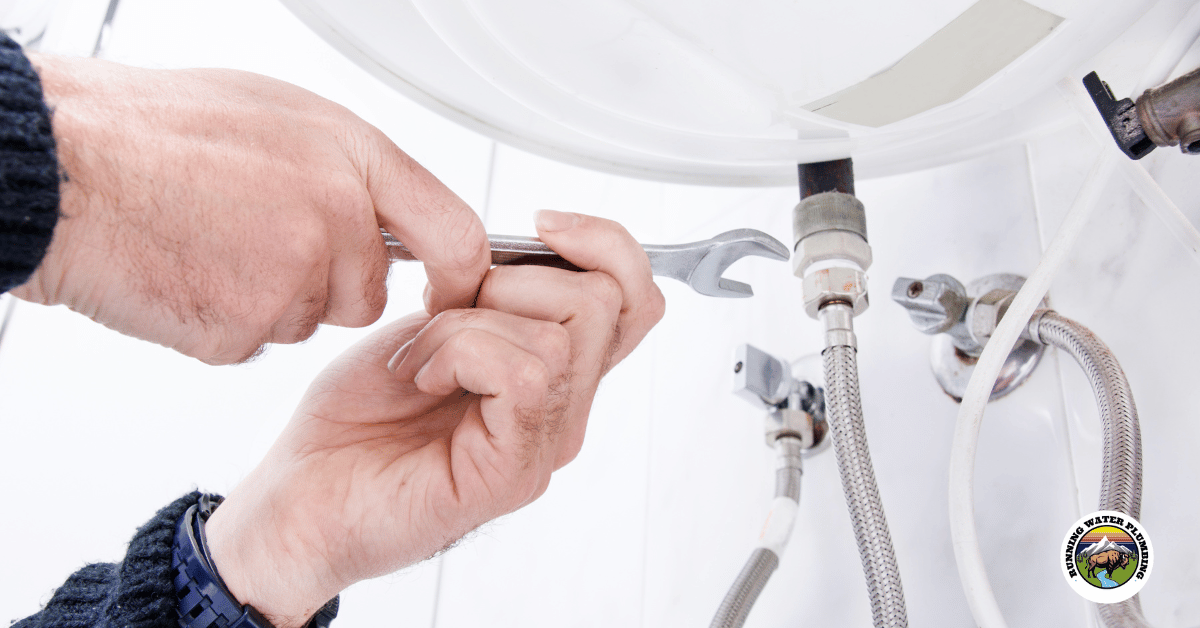
Your hot water heater works harder during winter months. To prepare it:
- Flush sediment buildup to improve efficiency.
- Test the relief valve for safety.
- Insulate the water heater tank and hot water lines.
- If leaving a vacant house or vacation home, drain the tank completely.
Regular service helps prevent water heater breakdowns during peak demand.
Check for Leaks Before Cold Weather
Even small leaks can freeze your pipes and create larger breaks. Inspect fixtures, toilets, and shut-off valves for moisture.
Professional plumbers can detect hidden leaks behind walls or underground water lines. Fixing leaks before winter weather strikes helps prevent frozen pipes and protects your home.
Keep Indoor Pipes Warm
Even plumbing inside a heated home can freeze when running through exterior walls or under sinks.
- Open cabinet doors to allow warmer air to circulate.
- Keep your thermostat steady, day and night.
- Add insulation to basements, crawl spaces, and uninsulated pipes.
This simple step can help prevent water from freezing indoors.
Winterize Plumbing in a Vacant House
If you plan to leave your home vacant throughout the winter, extra care is needed. Winterizing plumbing in a vacant house helps prevent frozen pipes when no water is running through the pipes.
Steps you can take include:
- Shut off the main water supply valve.
- Drain faucets, toilets, and fixtures.
- Pour antifreeze into toilets and drains to protect traps.
- Turn off and drain appliances like washing machines.
By draining water from the pipes and using antifreeze, you help prevent freezing pipes and protect your property while away.
Common Plumbing Problems in Winter
Idaho homeowners often deal with the same issues each winter:
- Frozen Pipes: Wrap pipes and insulate vulnerable spots to prevent frozen plumbing systems.
- Water Heater Failures: Schedule service before the heating system is under heavy demand.
- Clogged Drains: Avoid pouring grease and food debris into sinks.
- Sewer Backups: Frozen ground can make clogs worse, so schedule cleaning early.
These problems are easier to prevent with simple winterization than to repair once damage occurs.
Professional Help vs. DIY Winterization
Some winterizing tasks, like draining hoses and wrapping pipes, are easy DIY projects. However, complex tasks such as draining all water lines, servicing the hot water heater, or repairing leaks should be handled by a licensed plumber.
Professional plumbing services ensure:
- Full leak detection and repair
- Proper water heater installation and servicing
- Safe draining of plumbing systems in vacant homes
- Emergency frozen pipe repair if water freezes
Why Choose Running Water Plumbing in Meridian, ID?
Local experience matters when preparing for freezing temperatures. Our team provides:
- Expert Winterization: From hose bibs to main water supply shut-off valves, we handle every step.
- Emergency Response: Frozen pipes and broken fixtures require immediate repair, and we’re available 24/7.
- Comprehensive Service: From drain cleaning to water heater installation and burst pipe repair, we do it all.
- Trusted Professionals: Licensed, insured, and experienced with Idaho plumbing systems.
We help protect your home from freezing temperatures and prevent water damage throughout the winter.
Conclusion
Winterizing plumbing is not optional in Idaho it’s essential. From draining outdoor spigots and insulating pipes to checking the main water shut-off valve, each step helps prevent water damage, broken pipes, and costly emergency repair.
Whether you need a quick inspection, water heater service, or complete winterization of a vacant home, Running Water Plumbing is here to protect your plumbing systems and keep your home safe throughout the winter.
