 Skip to content


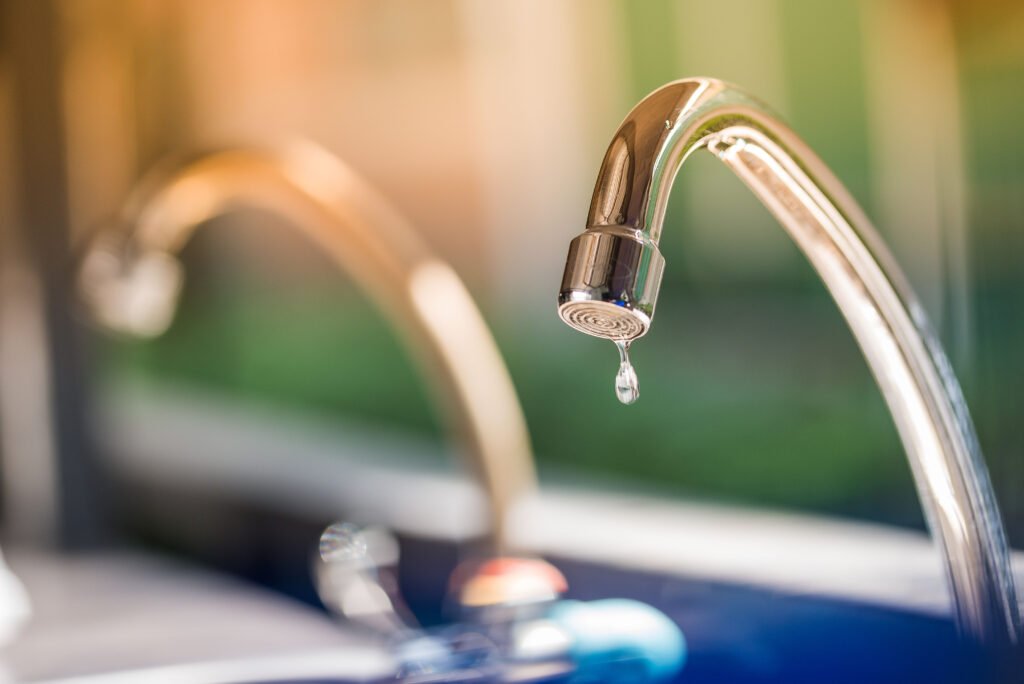
Imagine walking into your kitchen late at night, only to hear the faint sound of a dripping sink in the quiet house. Most homeowners ignore these minor inconveniences, assuming they are harmless quirks of an older home rather than signs of impending trouble. However, those seemingly insignificant drops are constantly adding up every single minute, draining your financial resources without you even realizing it. A dripping faucet might seem like a project for another day, but ignoring these issues allows a slow but steady stream of your money to wash down the drain. Many individuals are completely unaware of how drastically a tiny leak can inflate a monthly utility bill. Water waste is a persistent problem that grows worse over time if left unaddressed. It is incredibly important to understand the mechanics of your plumbing system and to recognize that small drips are often symptoms of much larger problems developing out of sight. By taking a proactive approach, you can stop this quiet inflation of your expenses and preserve your budget. Sometimes, the issue is systemic, meaning you might eventually need to repipe sections of your property to fully stop the bleeding.
Understanding the Hidden Costs of Minor Water Leaks
When a plumbing system begins to age, the materials used to transport water slowly start to degrade. This degradation creates tiny vulnerabilities, allowing water to escape in drops that seem far too small to cause any real concern. However, utility companies measure your usage based on volume, and continuous dripping quickly accumulates into a massive amount of wasted resources. Every drop adds to the overall meter reading, driving up the amount you owe. Homeowners often stare at their statements in disbelief, unable to pinpoint why their costs are steadily rising when their daily habits remain unchanged. The hidden culprit is almost always a slow leak that operates continuously, day and night. Over time, addressing the root cause becomes absolutely essential, and in older homes, the best financial decision is often to repipe the failing sections rather than continuously patching individual leaks. It is crucial to view your plumbing as an interconnected network where a localized failure impacts the entire system, helping clarify why an isolated drip has such a profound impact on your financial well-being.
Recognizing the Common Signs of a Deteriorating System
Detecting a slow drip is not always as simple as listening for a splashing sound. Many leaks occur behind walls or under floors, making them incredibly difficult to spot until significant damage has already occurred. A highly common sign of a hidden plumbing failure is an unexplained increase in your monthly water statement. If your usage spikes without a clear explanation, water is likely escaping somewhere within your property. Another indicator is the sudden appearance of water stains on ceilings or walls, signifying that moisture is seeping through building materials. You might also notice a persistent musty odor, indicating hidden mold thriving on a continuous supply of leaking water. When these symptoms appear, it is a clear warning that the infrastructure is failing and that you might need to repipe the affected areas to prevent further decay. Recognizing these subtle clues early allows you to take corrective action before a minor nuisance transforms into a catastrophic failure that ruins your drywall, flooring, and personal belongings.
Evaluating the Impact of Continuous Water Waste
The sheer volume of resources lost to minor drips is genuinely staggering when viewed from a broader perspective. Many people vastly underestimate how quickly small drops accumulate into vast quantities of wasted liquid. According to ServiceTitan, household leaks from pipes and faucets account for almost 10,000 gallons of wasted water per year. That continuous flow places a heavy burden on local treatment facilities and natural reservoirs. Beyond the environmental impact, this continuous waste represents a direct drain on your budget, forcing you to pay for a utility that you never actually utilized. The financial burden compounds month after month, effectively acting as an invisible tax. Resolving these leaks promptly is the only reliable method for stopping this drain. Sometimes, tightening a loose fitting is enough to solve the problem, but persistent issues often suggest that the underlying materials are compromised. In severe scenarios, choosing to repipe the vulnerable segments provides a permanent solution that entirely eliminates the waste, making it an urgent priority that demands immediate attention.
Discovering the Hidden Dangers within Your Walls
While an inflated utility bill is a frustrating consequence of a leaking plumbing system, the secondary damages caused by escaping moisture can be far more devastating. Water is an incredibly destructive force when allowed to sit stagnant within structural cavities. A slow drip inside a wall cavity will eventually soak the surrounding insulation, rendering it ineffective and driving up your heating and cooling costs. As the moisture spreads, it weakens the wooden framework, causing joists and studs to rot. This structural decay is exceptionally expensive to repair and severely diminishes the value of your residence. Furthermore, damp environments create the perfect breeding ground for toxic mold spores, posing a risk to the respiratory health of anyone living inside. To fully eradicate these hidden dangers, it is often necessary to remove the damaged materials and repipe the entire failing network. Discovering these issues late usually means paying for extensive mold remediation in addition to the actual plumbing repairs, underscoring the importance of being hyper-vigilant about moisture control within your residence.
Protecting Your Home from Future Plumbing Disasters
Taking a proactive stance on household maintenance is the ultimate defense against the rising costs of plumbing failures. Regularly inspecting your visible lines and fixtures for signs of moisture can help you catch small issues before they escalate into major emergencies. It is highly recommended to routinely check the areas under your sinks and around the base of your toilets for pooling water. Installing modern leak detection devices can also provide an added layer of security, monitoring the flow of water and alerting you to abnormal activity. Upgrading outdated fixtures ensures that your system remains robust and capable of handling daily demands. If your property features an older, galvanized steel plumbing system, making the choice to repipe the entire residence is often the most cost-effective strategy in the long run. By completely replacing the outdated materials, you entirely eliminate the risk of frequent bursts. Protecting your home requires an ongoing commitment to preventative care and a willingness to invest in comprehensive solutions rather than relying on temporary patches.
Allowing a slow drip to continue uninterrupted is essentially giving your hard-earned money permission to wash away. The damage caused by persistent leaks goes far beyond a surprisingly high monthly statement; it threatens the structural integrity of your property and encourages hazardous mold growth. Taking decisive action right now to address these vulnerabilities will secure your home and significantly reduce your monthly expenses. Whether you need a simple fixture repair or a comprehensive plan to repipe your entire plumbing network, professional assistance is vital for achieving a lasting, reliable outcome. Ignoring the early warning signs of water damage will only lead to catastrophic destruction that requires a massive financial undertaking to fix properly. Homeowners must stay vigilant and seek out experienced tradespeople who can accurately diagnose the source of the hidden moisture. When you are ready to stop wasting water and protect your investment, contact Running Water Plumbing LLC to learn more about our comprehensive plumbing solutions and schedule a thorough inspection of your home.
