 Skip to content



Septic tank maintenance isn’t glamorous, but it prevents costly disasters for homeowners in Meridian ID. Understanding when to schedule septic pumping makes the difference between a system that lasts decades and one requiring premature replacement. Regular septic service protects your property investment and keeps wastewater treatment running smoothly.
How Often Should I Pump Out My Septic Tank?
Most septic tanks need to be pumped every 3 to 5 years. However, your specific pumping schedule depends on household size, tank capacity, and daily water use habits. Your septic system works hard processing all the wastewater and household waste your family generates.
How Your Septic System Works
Your septic tank collects wastewater from toilets, drains, and the washing machine. Solids settle to the bottom forming a sludge layer, while lighter materials float as scum. The middle layer of treated effluent flows to your drainfield where soil provides natural filtration.
Over time, sludge and scum levels increase. When these layers reach within 12 inches of the outlet, solids can leave the tank and clog your leach field. This septic tank failure causes permanent damage requiring expensive repair or complete drainfield replacement.
What Determines How Often You Should Pump Your Septic Tank
Household Size Affects Pumping Frequency
The number of people in your home directly impacts how often your septic tank should be pumped. More occupants mean increased water use, more human waste, and faster accumulation at the bottom of the tank.
General pumping intervals by household:
- 1-2 people: Every 4-5 years
- 3-4 people: Every 3-4 years
- 5-6 people: Every 2-3 years
- 7+ people: Every 1-2 years
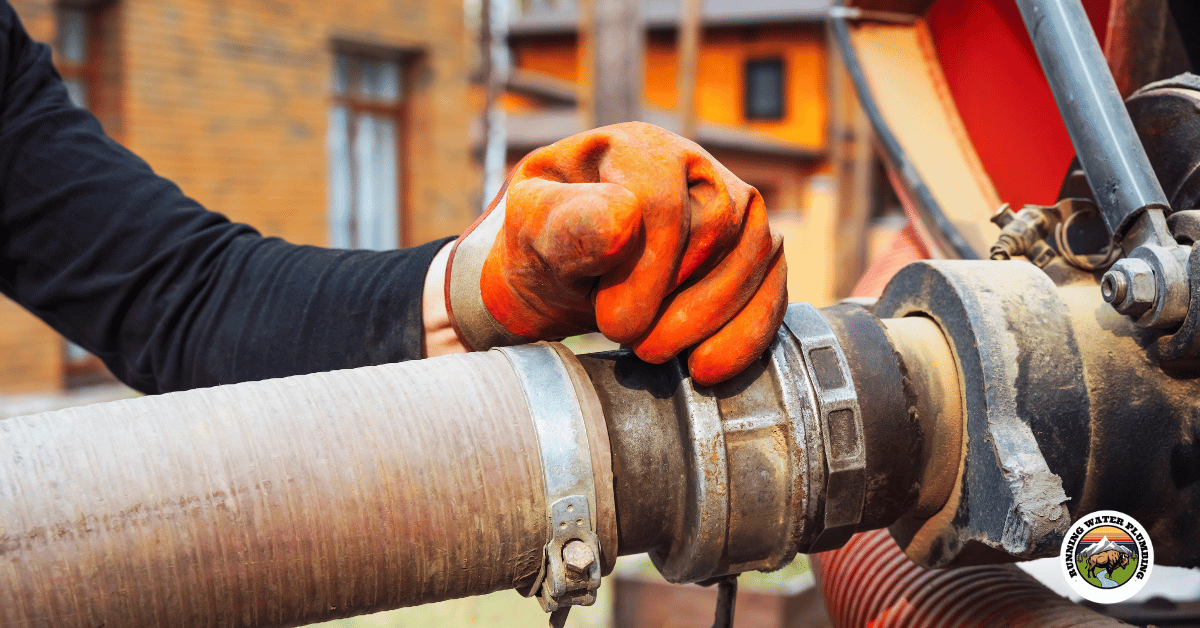
Running Water Plumbing inspects your septic system to determine the exact pumping schedule your property needs.
Tank Capacity Influences Pumping Needs
A typical gallon septic tank for residential properties ranges from 750 to 1,500 gallons. Larger gallon tanks allow longer pumping intervals between services. Older Meridian homes often have smaller tanks that must be pumped more frequently to prevent the septic tank from becoming full.
Professional septic tank inspection identifies your tank capacity and confirms it matches your household’s volume of water output. Proper sizing prevents premature tank fills and extends system life.
What Goes Down the Drain Matters
Your daily habits affect how often you need to pump your septic. Use a garbage disposal sparingly, as it adds significant solids requiring more frequent septic pumping. Harsh chemicals disrupt beneficial bacteria that naturally break down waste in your septic system.
Never dispose of these items in your septic:
- Feminine hygiene products
- Baby wipes (even “flushable” versions)
- Paper towels and tissues
- Cigarette butts
- Coffee grounds
- Grease and cooking oil
- Medications and chemicals
- Cat litter or other non-human waste
These materials don’t decompose and accelerate when it’s time to pump your septic tank.
Warning Signs Your Septic Tank Is Full
Sometimes your septic system signals problems before your scheduled pumping arrives. Recognizing these warnings prevents a full septic tank from causing sewage backups and costly emergency repair work.
Watch for these indicators:
- Slow drains throughout your home
- Sewage or sewer odors near your tank or around your septic area
- Standing water or soggy ground above the drainfield
- Sewage backing up into toilets or sinks
- Gurgling sounds from drain lines
- Unusually green grass over your leach field
Any symptom requires immediate attention from professional septic service professionals. Running Water Plumbing offers 24/7 emergency repair, cleaning, and installation services because septic issues don’t wait for convenient times.
Creating an Effective Pumping Schedule
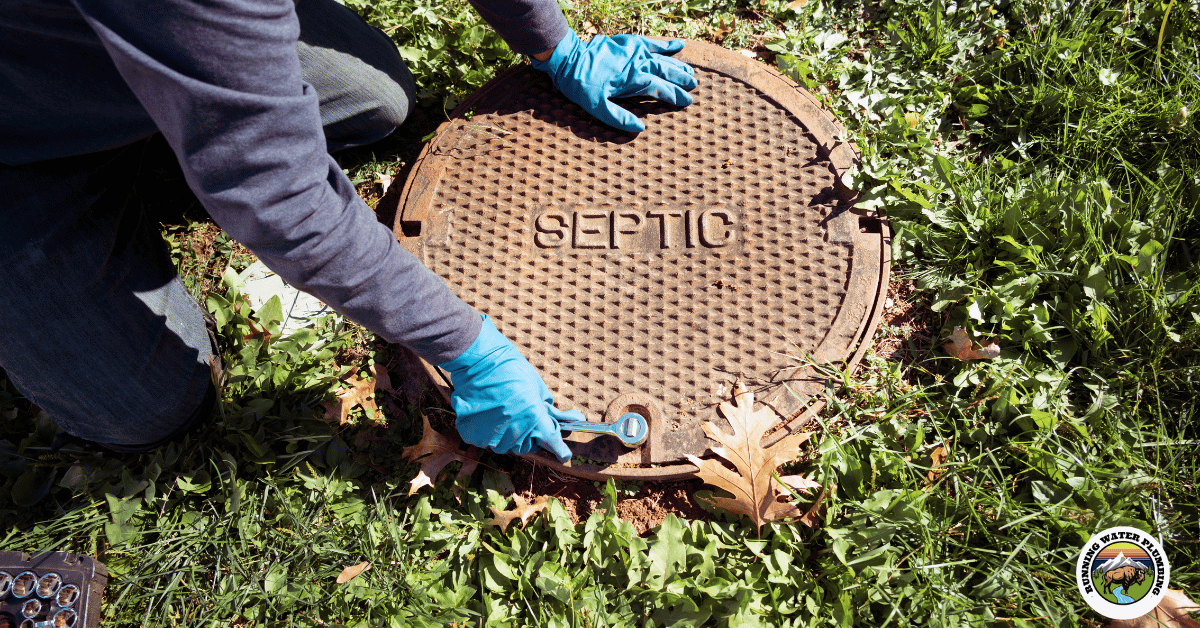
The best approach combines regular professional septic inspections with timely septic tank pumped services. Annual inspections by system professionals measure your tank levels and sludge and scum layers. This determines whether pumping is necessary or if you can safely wait another year.
Keep detailed records of every septic pumping, inspection, cleaning, repair, and installation. Note the service date, company name, and recommendations. This information helps you maintain optimal pumping intervals and keep your septic system functioning properly.
Extending Time Between Pump Your System Services
While you can’t avoid pumping forever, smart habits extend pumping frequency. Conserve water to reduce strain on part of your septic system. Fix leaky toilets and faucets that add excess water unnecessarily. Spread loads of laundry throughout the week rather than doing multiple loads in one day.
Habits that protect your septic:
- Space out laundry instead of multiple loads daily
- Use septic-safe toilet paper and cleaning products
- Never pour grease down drains
- Don’t park vehicles over your drainfield
- Divert rainwater and groundwater away from the septic area
- Install low-flow fixtures to limit water use
- Run the dishwasher only when full
Running Water Plumbing offers leak detection services identifying hidden drainage problems. Even small toilet leaks add thousands of gallons to your tank yearly, meaning you must be pumped more frequently than necessary.
The Cost of Neglecting Septic Tank Pumping
Wait too long between pumpings and you risk expensive consequences. Regular septic service costs a few hundred dollars. Drainfield replacement can exceed $20,000. When solids escape and clog your leach field soil, the damage is often permanent, requiring complete system installation.
Routine maintenance by a professional septic company prevents septic tank failure and protects your property value. The small investment in pumping every three years or as needed saves thousands in future sewer system repair costs.
Trust Running Water Plumbing for Septic Service
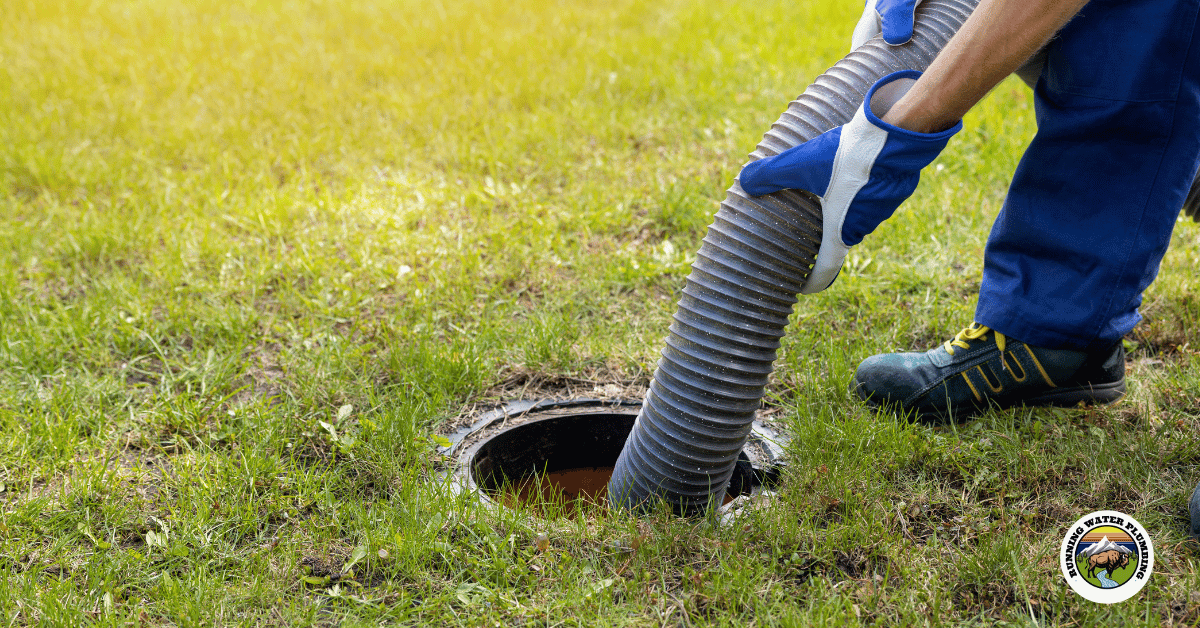
At Running Water Plumbing, we bring years of local Meridian ID experience to every septic installation, cleaning, repair, and pumping job. Our licensed and insured team handles everything from routine maintenance to emergency sewage issues.
Whether it’s time to pump your septic tank on schedule or you notice warning signs that your septic system may need attention, we’re available 24/7. Contact Running Water Plumbing today to schedule inspection, pumping, or repair service for your Meridian ID property.
